

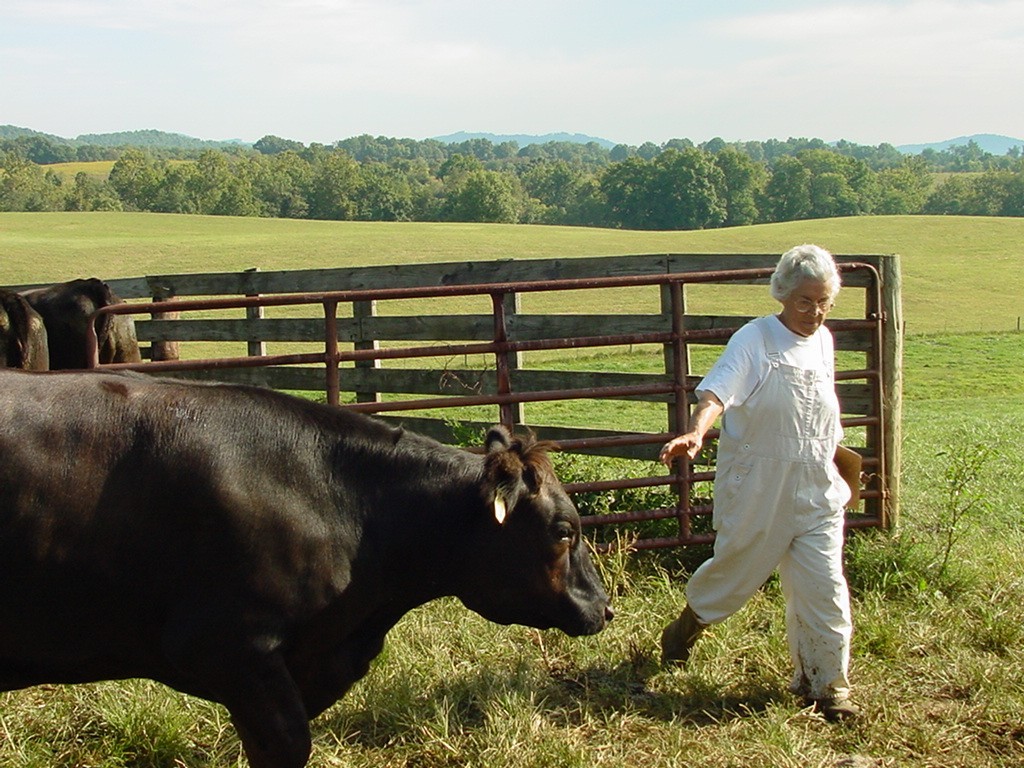
She knew nothing about cattle farming. Then she changed it.
Monira Rifaat never expected to become a cattle farmer.
Trained as a pathologist under the British medical system in Egypt where she was born in 1938, she arrived in the United States in the 1960s, completed her medical internship in Boston, Mass., and later finished her residency in Alexandria, Va.
Farming was nowhere in the plan for Dr. Rifaat.
But a visit to Rappahannock County in the late 1970s changed the course of her life. Looking for a second home in the countryside, she found herself drawn to open land between Washington and Sperryville and eventually established Manor Farm in 1980.
Seven years later, she entered one of Virginia’s most male-dominated professions — cattle farming.
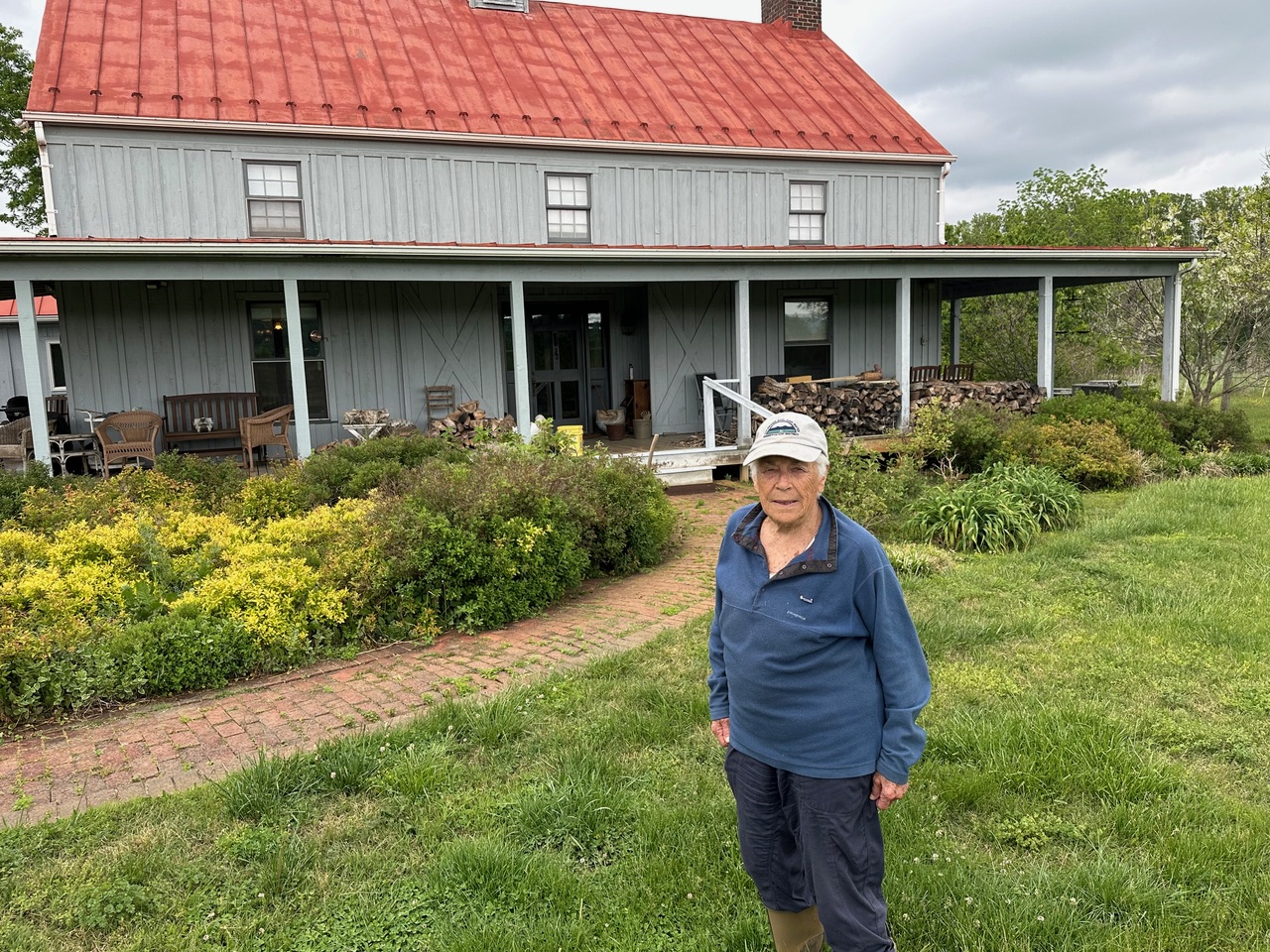
Cattlewoman Monira Rifaat, in front of her farmhouse at Manor Farm in Washington recently. She’s received awards recognizing her conservation efforts. (Photo/Bob Hurley)
“I was a city person and had absolutely no farming history. But I was very enthusiastic,” she said with a wry smile in a recent interview at her farm.
Today, some 40 years later, Rifaat is widely regarded as a key figure in farming in Rappahannock — a pioneering cattlewoman who used grass-fed and land conservation practices long before they became popular. She has been recognized for her achievements and received awards.
Inside her comfortable red-roofed farmhouse overlooking rolling meadows, she spoke with the exactness of a physician and the frankness of a longtime cattle farmer. The conversation moved easily between cattle genetics, conservation policy, the economics of farming and the challenges she faced establishing her cattle operation.
Her background as a pathologist helped.
“Pathology gave me a good start because of the knowledge of anatomy,” she said. “The human body and the cow body aren’t much different.”
To get her farm up and running and learn the intricacies of the business, she hired longtime local farmer Kerry “K.P.” Grigsby as a farm manager. He passed away in 2007. Though she praises him for teaching her the ins and outs of cattle farming, she said he had a common view of the time that women did not belong in agriculture.
“K.P.’s philosophy was that women couldn’t do it,” she said. “And he constantly reinforced that bias.”
“I had to bite my tongue and observe and learn,” she said.
Rifaat immersed herself in cattle farming, studying genetics, breeding methods and grazing systems, reading extensively and networking with other farmers. Over time, she said, she was able to develop knowledge and skills to run a successful business.
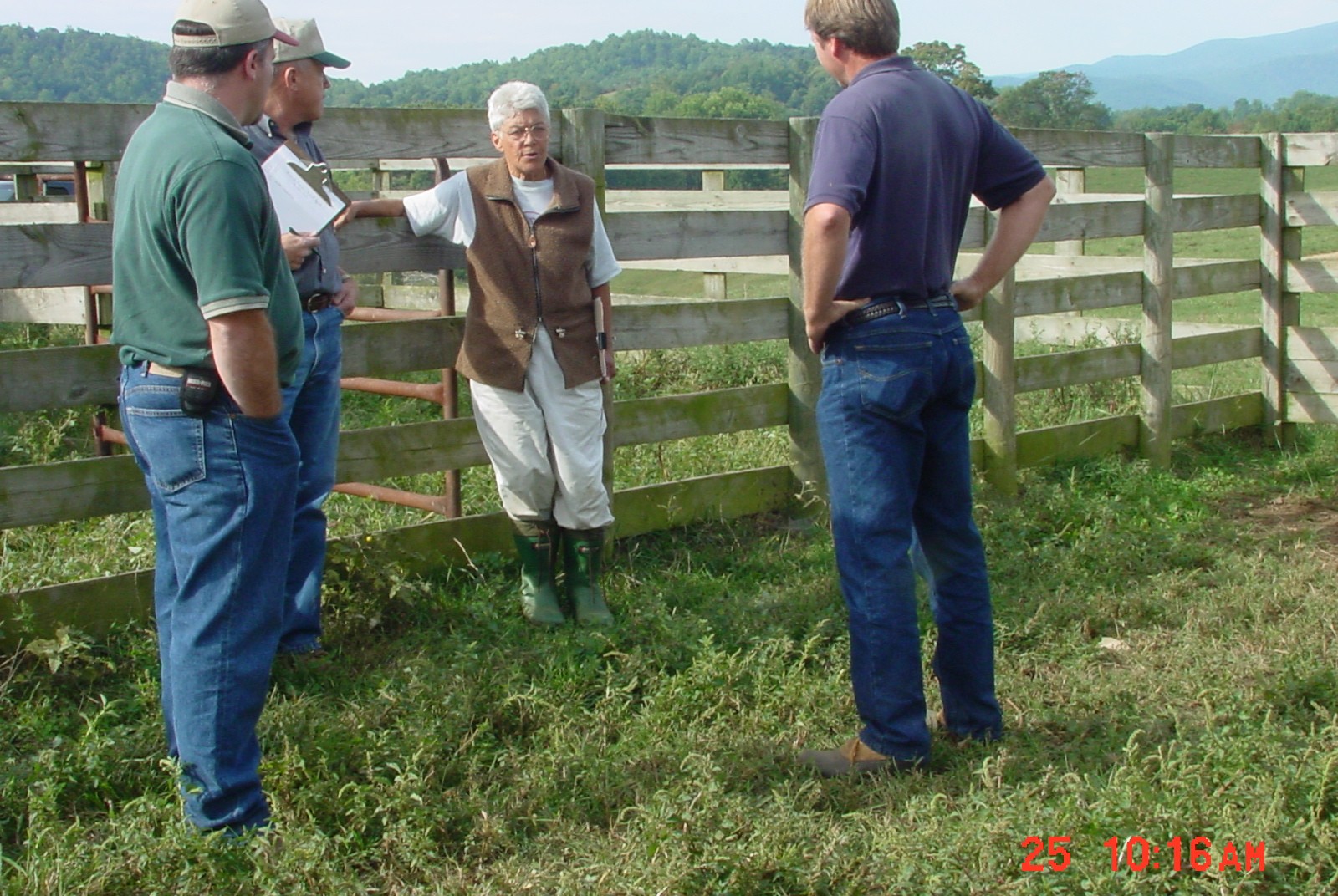
Dr. Monira Rifaat, a patholgist, immersed herself in cattle farming, studying genetics, breeding methods, grazing systems and networking with other farmers. (Photo/Kenner Love)
Grass-fed pioneer
Rifaat developed her beef cattle operation with Simmental cows — a Swiss breed — preferring organic methods of farming.
Instead of sending steers to commercial feedlots where cattle are commonly fattened on corn and other grains, Rifaat kept her animals on pasture.
“The anatomy of the steer was not meant to be fed corn,” she said. “He has four stomachs that are meant to digest grazed grass.”
She was sharply critical of industrial cattle production and the widespread use of antibiotics in feedlots.
“Corn can make a steer ill so they pump antibiotics into him to keep him healthy, gaining weight,” she said. “The antibiotics get into the meat. We eat the meat and develop resistance to the antibiotics.”
Marketing grass-fed cattle was difficult at the time, particularly for a small producer, but Rifaat persisted and found a buyer in New England for her grass-fed cattle.
“The power in farming is in numbers,” she said. “People who have a large group of steers can market them better than the small farmer.”
Her influence beyond farming
Rifaat’s influence extended beyond her own farm into conservation, water quality protection and the preservation of open space in the county.
She served nearly two decades with the Culpeper Soil and Water Conservation District, including 17 years as a director representing Rappahannock County. During her tenure, she served as board chair, legislative committee chair and in 2013 won the statewide Watershed Connection Award in recognition of her conservation work.
She also won Clean Water Farm awards for fencing cattle out of streams as part of Chesapeake Bay cleanup efforts.
“The whole idea was to clean up the Chesapeake Bay,” she said. “If we allow our cows into the streams, all their contaminants would flow into the bay.”
Rifaat believes her independent outsider perspective made her more willing to adopt new conservation methods. “Being a newcomer, I didn’t have the excuse of ‘my father did it this way and I’m gonna do it this way,’” she said.
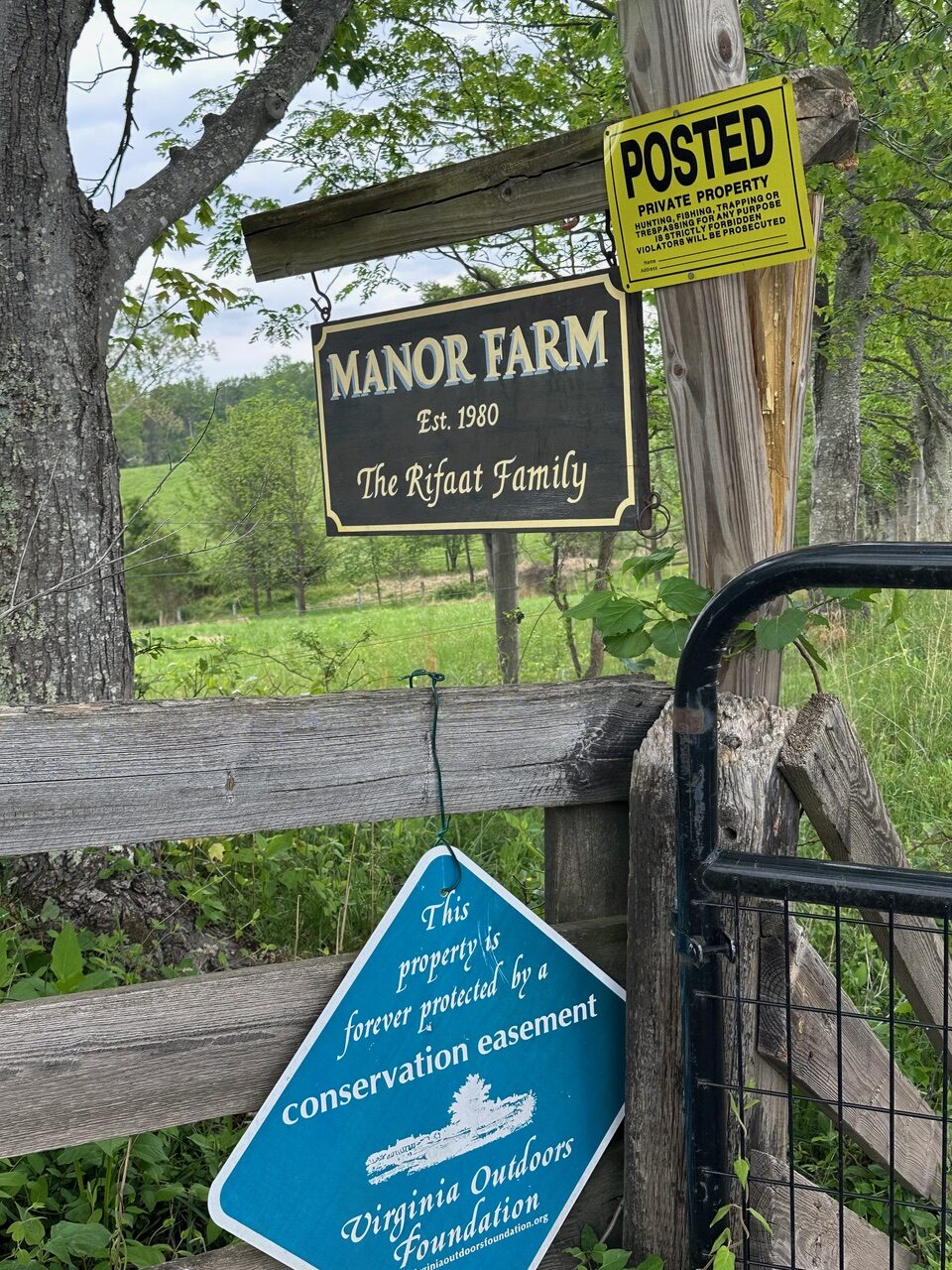
Manor Farm is at the end of a long gravel road in Washington. (Photo/Bob Hurley)
“But I never pushed my ideas.” she added. “If people want to let their cows graze and send them to the feedlot, that’s their business.”
She eventually placed all of her land into conservation easement, permanently limiting development rights to preserve the property as farmland and open space.
Without land-use taxation and conservation protections, she said, farming in Rappahannock would disappear. “Without land use, there’d be no agriculture in the county. We are an oasis in the middle of some very progressive urban areas,” she said.
Rifaat credited the Rappahannock Board of Supervisors (BOS) with supporting zoning standards that protect the rural quality of the county.
“We are very astute at our Board of Supervisors and our zoning to maintain standards so that developers can’t get in here and divide these farms into building lots. I mean, if you look across the border in Culpeper, you see examples (of development), and the same with Clevengers Corner. Houses upon houses, what used to be pastures,” she said.
In 2006 she took a step to deepen her involvement in the community by running in a special BOS election to represent the Piedmont District, but lost to Edward “Eddie” D. Wayland.
“Wayland was a native local man with hundreds of members of his family, all of whom voted for him, so he won,” she said.
Role of women farmers
Now retired from active farming, Rifaat speaks passionately about the important role women have played in agriculture.
“As a whole, women have contributed enormous knowledge and efforts in farming,” she said.
She also believes many women farmers have historically gone unrecognized.
“Many times when a farmer is successful, look for the wife,” she added.
Asked whether she has any regrets about trading medicine for cattle farming, Rifaat did not hesitate.
“Not a bit,” she said. “It has been a tremendous learning process. I was grateful to be accepted into the farming community in this county.”