

Fate of Waterpenny Farm, Sperryville River Trail in question
The unwinding of the Clifford Miller III family’s vast Sperryville landholdings and partnerships accelerated last weekend when a local couple, Pat Snyder and Bob Kramer, signed a contract to buy 17 acres from Miller Properties LC, even as tensions continued to grow over the future of Waterpenny Farm and the Sperryville River Trail.
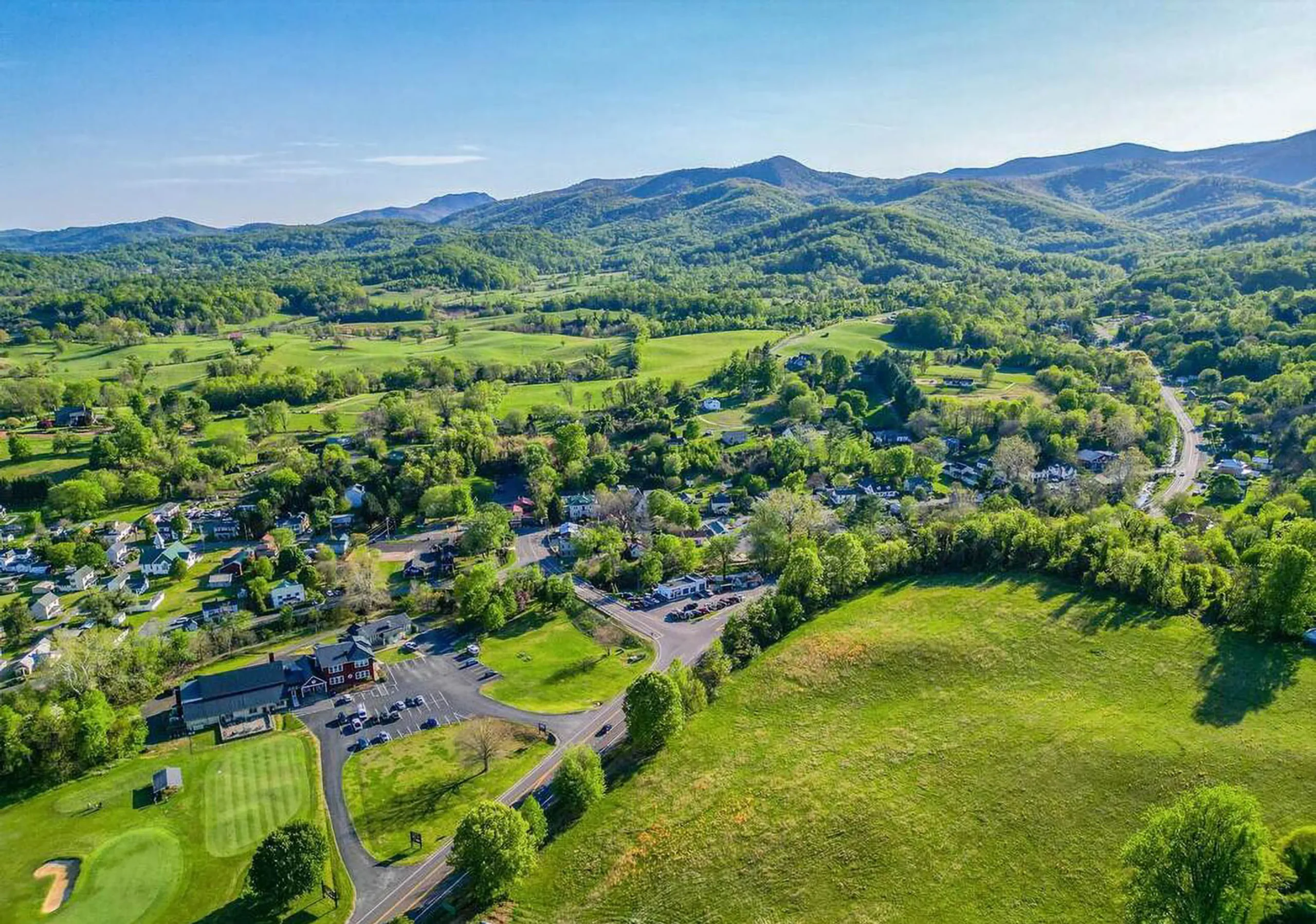
The Snyder-Kramer plan to purchase the acreage on Route 211 directly across from the Sperryville Schoolhouse, brought relief to many in the community, since the couple doesn’t envision any new structures, but only to protect their present viewshed.
The pending contract marks the second time in six months that Miller land is changing hands. Miller Properties last fall sold 38.5 acres along Route 522 to businessman H.B. Wood, scion of another long-time Rappahannock family, for $860,000. Also, Miller Properties is interested in selling the land on which Waterpenny operates, according to public documents.
The changing Sperryville landscape and ongoing uncertainties are part of a sweeping generational change within Sperryville’s dominant landholding family, with decision-making shifting from 85-year-old Cliff Miller to his children and nephews, all of whom live outside the county. Under the control of the younger Millers, more land is coming up for sale and some long-term real estate arrangements have been thrown into limbo.
The listing for the land across from the schoolhouse set the comparatively high price of $32,000 per acre. Snyder confirmed the contract, but declined to discuss financial details until after the closing, which wasn’t scheduled when this newspaper went to print.
In 2000, Snyder and Kramer bought their Sperryville house, dating to 1895, on a small lot with a majestic view that would have been altered radically if a new home had been situated on the location suggested by Aron Weisgerber, the real estate agent who represented Miller Properties in the transaction.
Genial but firm refusal to sell
Snyder remembers that for years, when the couple pitched the idea of buying the acreage adjacent to their home, Cliff Miller’s answer was genial but firm: “I just don’t like to sell my land.” The aversion to putting land up for sale ended when Miller handed the reins to the younger generation. Miller’s daughter, Laura Miller Meyers, who lives in Richmond, now functions in executive capacity for Miller Properties.
Her father lives chiefly in a retirement community in Richmond, but often visits a house he still owns on the family farm. The farm’s main residence functioned as an inn before being sold several years ago with about two acres of land to a couple outside the family.
Community concern is mounting over a possible sale of 83 acres adjacent to Snyder and Kramer’s land. Since 2004, the Millers have leased about 30 acres of this parcel to Rachel Bynum and Eric Plaksin, who operate Waterpenny Farm, a producer of organic vegetables.
Miller Properties hasn’t put this land up for sale, but its desire to do so is evident in a recent application to the Rappahannock County Zoning Administrator to allow an additional home to be built on land uphill from the farm.
The application says: “Miller Properties desires to market the property and ensure that a future owner has the option to construct a larger residence at the end of the existing private lane (Waterpenny Lane).”
The disruptions accompanying a change of ownership could upend the farmers’ hope of running the farm, and living in a home they built there, until the present lease expires in 2044. The couple is beloved in the community, with Bynum serving nine years on the Rappahannock School Board and Plaksin coaching soccer. Their two sons attended Rappahannock County Public Schools, the younger graduating in weeks. “I think there would be a riot in the streets if they evicted Eric and Rachel,” Snyder said.
Demands and threats
This spring Bynum and Plaksin received a letter prepared by Miller Properties’ lawyers at Thomas Moore Lawson in Winchester and signed by Laura Miller Meyers, raising the threat of eviction over a dispute involving plans to run the Rappahannock Nature Camp, which Bynum directs, on the leased property. The farmers had discussed their plan for running the day camp with the Miller family, but, according to recent correspondence, the Millers came to see the disclosures as inadequate.
In these exchanges, the Millers have said that the farmers entered agreements with the nature camp that fell outside the terms of their lease, and failed to inform them of all aspects of the plan with the nature camp.
Bynum has contested much of the Millers’ reading of the nature camp agreements, but nonetheless dissolved the plan after the Millers voiced their concerns. The farmers terminated all accompanying agreements with the nature camp, and negotiated a new arrangement to operate this summer’s program at Revival Springs, a 17-acre property at the confluence of the Thornton and Piney rivers.
Ending all plans to run the camp on the land leased by the Millers didn’t end the dispute. Miller Properties has insisted that Bynum and Plaksin sign an addendum to their lease accepting responsibility for violating the lease. According to correspondence between the farmers and their landlords, Bynum and Plaksin contest the Millers’ interpretation of their interactions with the nature camp, and believe that the addendum would leave them in a vulnerable position if they were to renew or renegotiate the lease, either with the Millers or a future owner of the land.
The Millers were scheduled to meet this week with the farmers, with whom they have worked as neighbors and landlords for 26 years. Correspondence indicates the farmers had hoped to explore finding a buyer for the land who would want to continue Waterpenny Farm, which serves hundreds of local customers who buy plants and vegetables there. A brief communication from Laura Miller Meyers cancelled the meeting. Neither the Millers nor the farmers offered any statement on the impasse to the Rappahannock News.
Troubled waters along Sperryville Trail
A short distance away, another dispute is bubbling over the Sperryville River Trail. A decade back, the Millers backed the idea of the 1.5 mile community path along the Thornton River, and, like others, made a slice of riverbank land available for the popular community space. According to residents connected to the Sperryville Community Alliance, Laura Miller Meyers noticed stray golf balls from a nearby golf course on the trail during a stroll over Easter weekend; shortly after that, she withdrew permission to use the family-owned land, citing safety concerns.
Eddie Sutton, president of the Sperryville Community Alliance, has researched with lawyers a Virginia statute that limits the liability facing private landowners who have made land available for public use. “We’re working on revising our property agreements or licenses with all the property owners” who made slices of land available for the trail, Sutton said. The new agreements essentially would indemnify property owners if they were sued for injuries occurring on the trail.
On its website, the alliance describes the path as “one of our village’s most cherished assets,” adding that “families, seniors, and hikers use it every day, and recent improvements—like new stairs, railings, and benches—have made it even more accessible.”
Sutton has relayed the various legal texts to Miller Properties and is hoping the legal language, together with the new property agreements, will be assuring.
Unsure about what response he’ll receive, he said, “We may be licking our wounds.”