

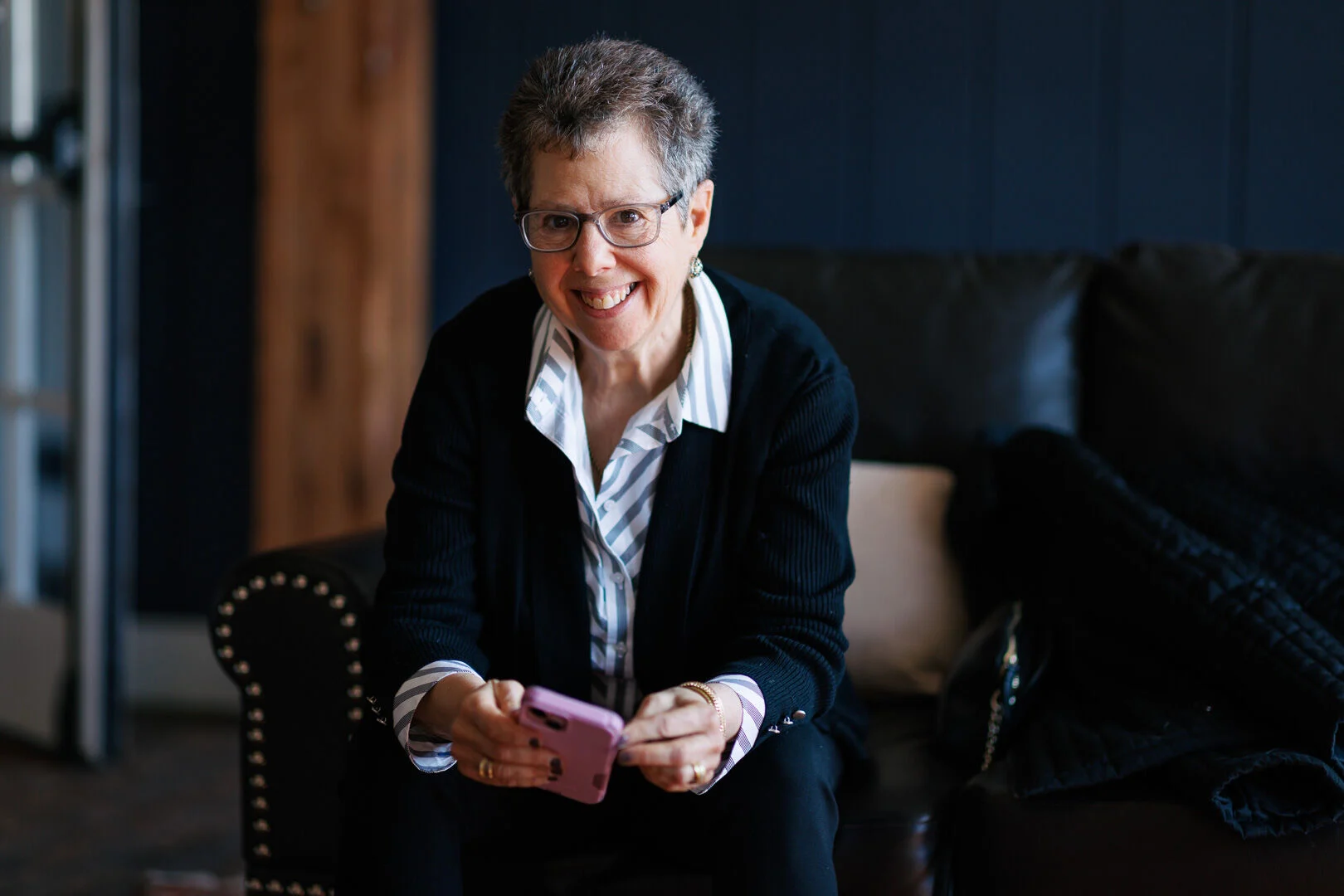
Ellen Phipps, executive director of Aging Together, on caring for those suffering with dementia: “It’s finding ways to join them in their journey. We need to go into their world because they’re not able to come into ours.” (Photo/Luke Christopher)
Statistically, 10% of residents likely have some form of dementia
Dementia, it’s been said, is like watching a loved one disappear. Or as Patti Davis described the experience with her father, Ronald Reagan, “A Long Goodbye,” the title of her book.
Yet as profound an experience as dementia can be for those experiencing it, and those caring for them, it’s not something that often is openly discussed. This makes it that much more difficult to know how many individuals and families in Rappahannock County — a community with a large aging population — are navigating what can seem unnavigable.
Getting a handle on that is one of the challenges facing a local dementia task force that formed last month. With an estimate that roughly 10% of people older than 65 have some form of dementia, including Alzheimer’s, that could mean as many as 200 county residents — or 10% of Rappahannock’s aging population — are affected. Add to that their caregivers, usually a spouse or other family members, and you could double that figure.
But that’s just a rough guess, and among the task force’s top priorities are getting a better handle on the impact of dementia here, particularly on those grappling with the daily demands, frustrations and heartache of caregiving.
“Caregivers don’t recognize themselves as caregivers,” said Ellen Phipps, executive director of Aging Together, a nonprofit that addresses the needs of the region’s aging population. “They’re just being the good husband, the good wife, the good daughter. That’s what can make it hard for professionals to reach caregivers.”
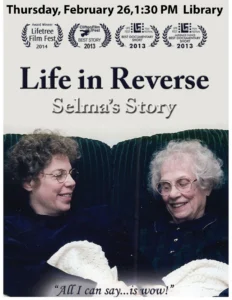
To that end, Phipps, once a vice president of programs and services for the Alzheimer’s Association, a major health and research organization, will be leading a program at 1:30 p.m. Thursday, Feb. 26 at the Rappahannock County Public Library in Washington. Titled “Life in Reverse,” it’s meant to be a first step in raising awareness of the effects of dementia and how to address them, and in building a support group for caregivers in the community.
Featured will be a short video titled, “Life in Reverse: Selma’s Story,” about a mother with dementia and how her daughter learned to handle the difficult moods of dementia, and also found ways to lovingly — and creatively — respond to a condition for which few are prepared.
“We want to talk about what it means to be a caregiver, and while there certainly can be challenges, there also can be a lot of joy in providing that kind of care for someone you love,” said Phipps. “We want to try to help people face the challenges head-on and learn some unique strategies, to think outside the box.
“It’s finding ways to join them in their journey,” she added. “We need to go into their world because they’re not able to come into ours.”
Support groups can play a big role in helping caregivers develop effective strategies, noted Eve Brooks, one of the organizers of the local dementia taskforce. “There’s a lot of mutual sharing,” she said. “Here’s how I solved problem X. Here’s how I solved problem Y.”
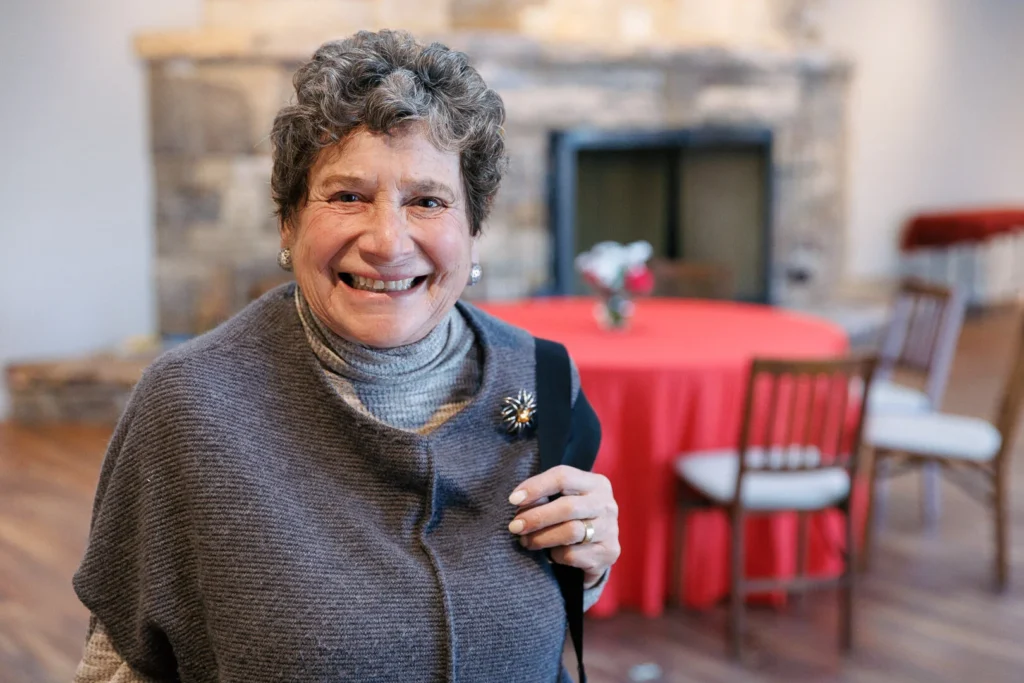
Eve Brooks, an organizer of the Rappahannock task force on dementia, says support groups can play a big role in helping caregivers develop effective strategies: “There’s a lot of mutual sharing.” (Photo/Luke Christopher)
She said the group will also focus on identifying and helping to improve dementia-related services in the community. And, it will look at programs elsewhere that could provide a model to adapt for Rappahannock. Brooks cited one in Nelson County where people with dementia go three days a week to interact with staff members and volunteers.
“It’s much more engaging,” she said. “People like doing it. They go somewhere. They get out of the house.”
It also gives caregivers a break. “That can feel like such a rollercoaster at times,” said Phipps. “It’s so important for caregivers to see that they’re not alone.”